抽象工厂
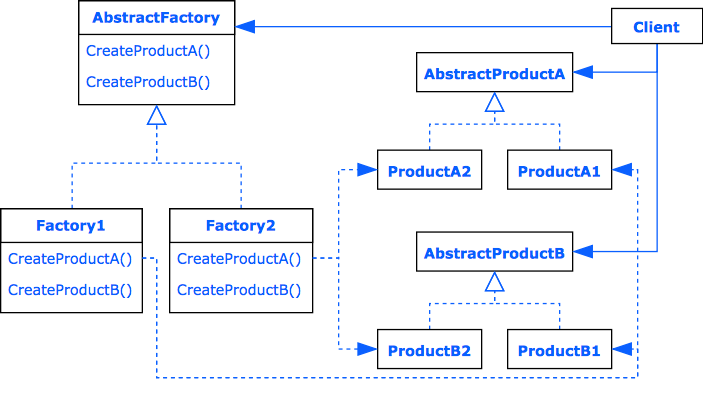
;; Abstract factory folds into a map of constructor functions:
;; the client knows the keys, not the family behind them
;; Concrete factory 1
(def factory-1
{:create-a (fn [] #(println "test A1"))
:create-b (fn [] #(println "test B1"))})
;; Concrete factory 2
(def factory-2
{:create-a (fn [] #(println "test A2"))
:create-b (fn [] #(println "test B2"))})
;; Client - works with any factory that offers both keys
(defn check-factory [factory]
(let [product-a ((:create-a factory))
product-b ((:create-b factory))]
(product-a)
(product-b)))
(check-factory factory-1)
;; printed: test A1
;; test B1
(check-factory factory-2)
;; printed: test A2
;; test B2
Provides an interface for creating families of objects whose interfaces are known but concrete classes are not.Read more问题。程序用浅色和深色两种风格绘制窗口。每种风格都需要自己的按钮和菜单。如果代码直接创建它们,就可能误把浅色按钮和深色菜单混在一起。增加第三种风格时,还得找出所有创建按钮或菜单的地方。 思路。抽象工厂是一个接口,为每一种产品提供一个创建方法。每个具体工厂为一个产品族实现这个接口:一个工厂创建浅色按钮和浅色菜单,另一个创建深色的。客户端拿到一个工厂,所有产品都通过它来创建。客户端从不指明具体产品,因此得到的产品总是属于同一个产品族。要更换整个产品族,只需给客户端换一个工厂。 如何阅读示例。示例中有 A、B 两种产品。一个具体工厂生产一个产品族:每种产品各一个,标有相同的编号。客户端拿到一个工厂,向它各要一种产品,并使用这两个产品。客户端不知道自己拿到的是哪个产品族,但输出会显示出来。有些语言根本不声明接口,但角色不变。 何时使用。当产品必须配合使用、而且有多个产品族时,例如界面风格或操作系统,使用抽象工厂模式。只有一个产品族时不要使用它。产品之间互不依赖时也不需要它:构造函数或工厂方法就够了。 常见错误。在产品种类还经常变化时就选用这个模式。每增加一种产品,都要在抽象工厂和每个具体工厂中增加一个方法。 |